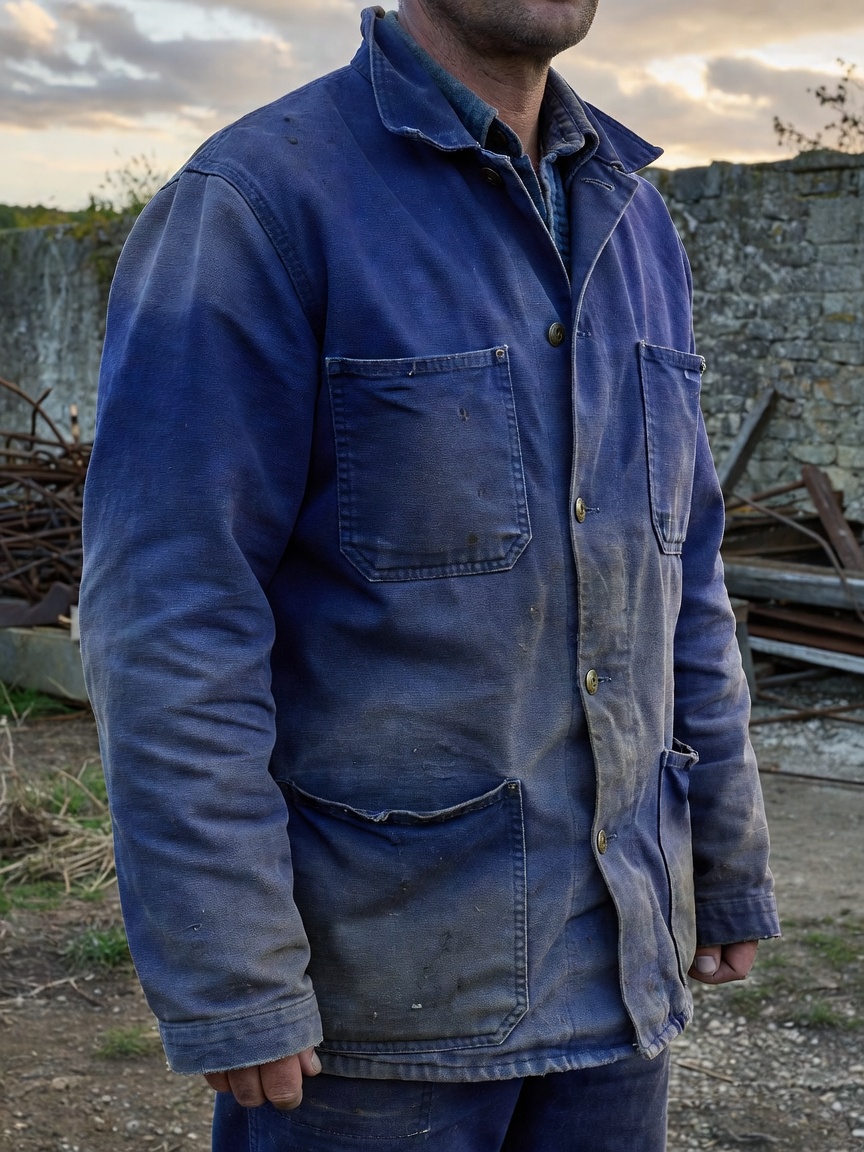
 France
The Bleu de Travail: Anatomy of French Utilitarian Cloth
How 400g/m² brushed moleskin evolved from 19th-century railway workers to the quintessential symbol of functional elegance.
A definitive chronicle honoring Europe’s century-old family mills, benchmade cordwainers, Moleskin weavers, and Savile Row cutters who refuse the compromises of fast fashion.
Indestructible cotton moleskin, indigo Bleu de Travail jackets, and French linen smocks engineered for heavy field and factory use since 1844.
Super-fine carded cashmeres, unconstructed spalla camicia shoulder tailoring, and vegetable-tanned Tuscan leathers.
Authentic 1920s circular loopwheel knitwear, heavy ribbed organic cotton tricots, and resilient alpine loden overcoats.
Heavyweight thornproof Harris Tweed, Savile Row bespoke suits, and Goodyear-welted benchmade calfskin brogues from Northamptonshire.
France
How 400g/m² brushed moleskin evolved from 19th-century railway workers to the quintessential symbol of functional elegance.
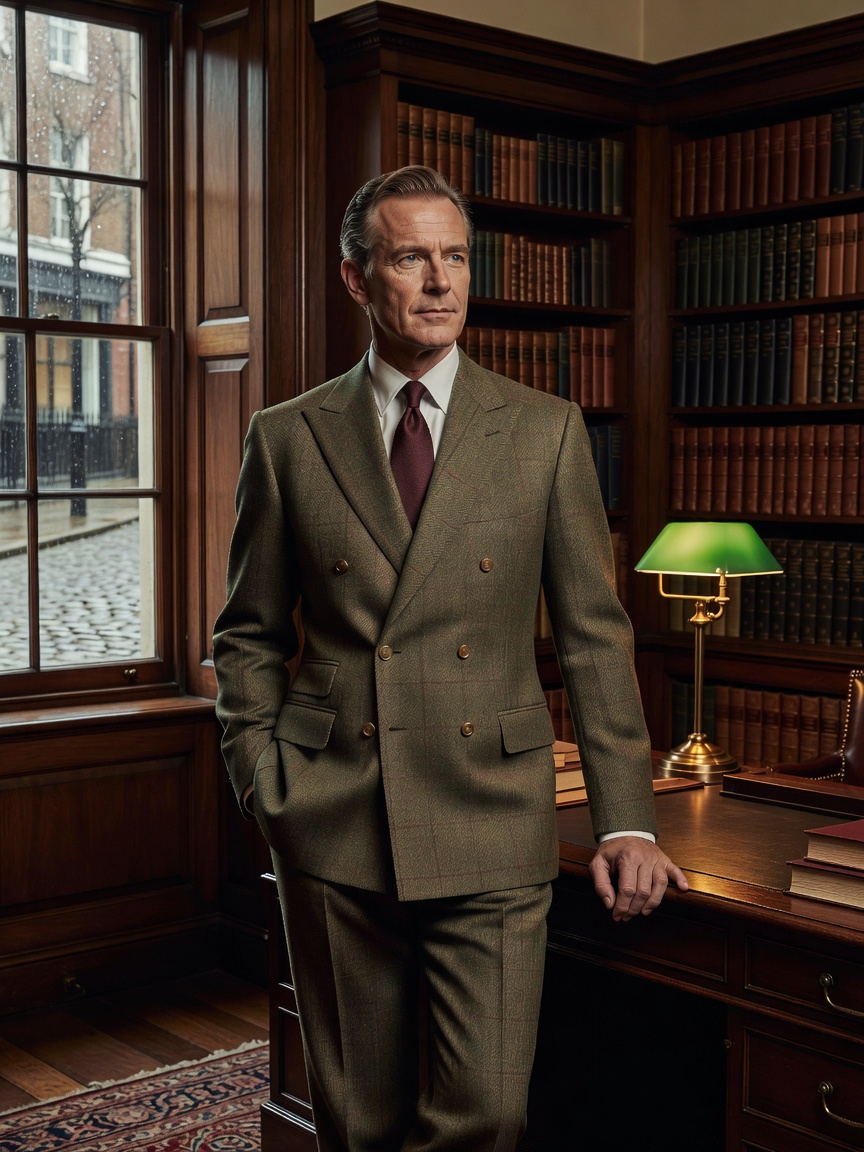 United Kingdom
Floating horsehair interlinings, roped shoulder heads, and the enduring architectural drape of British bespoke tailoring.
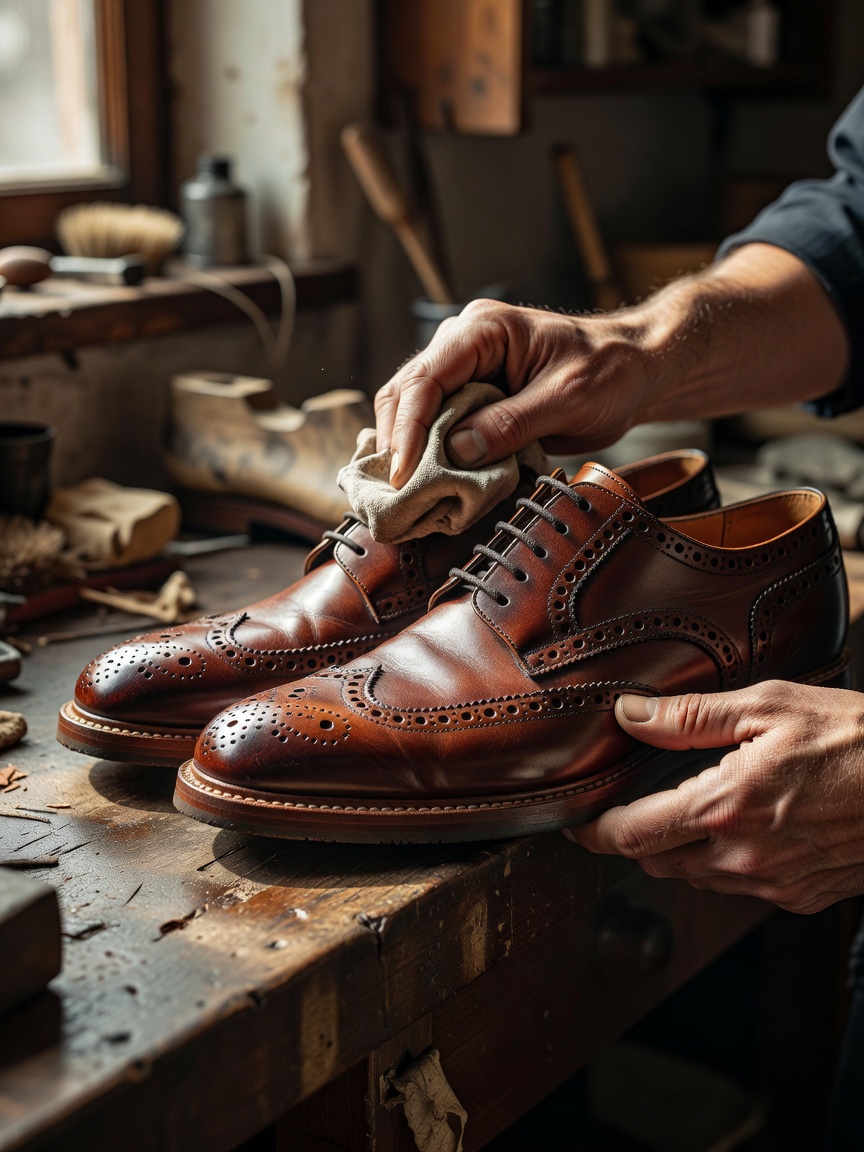 Northampton
A deep dive into 200 individual workshop operations, oak-bark tanned leather soles, and storm-welt weatherproofing.
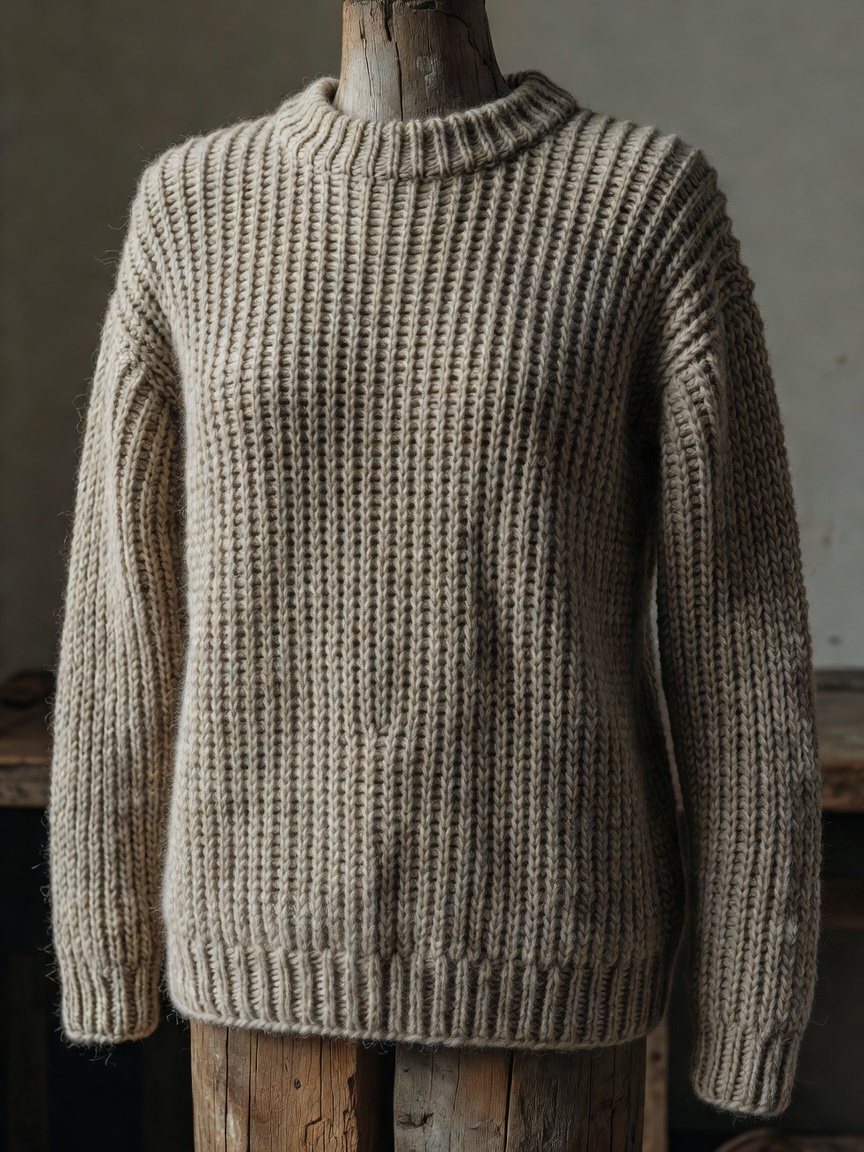 Germany
Why stress-free circular knitting machines from 1912 produce organic jersey fabrics that never twist, pill, or deform with age.
Adolphe Lafont designs the first standardized carpenter's carpenter jacket with three patch pockets, one inner ticket pocket, and horn buttons to withstand the abrasive friction of slate and stone masonry.
Commissioned by Edward VII, the Prince of Wales, a tailless short evening coat cut from midnight blue barathea wool revolutionizes formal menswear across the British Commonwealth.
Textile inventors in southern Germany engineer slow-rotating circular looms that rely solely on gravity rather than mechanical tension, creating tube-knit underwear with seamless torsos.
By stripping away rigid British horsehair padding, Vincenzo creates a featherlight garment engineered for Mediterranean heat with shirt-sleeve shoulders and pleated cuffs.
A dense, heavy cotton weave where the face is sheared and brushed to create a soft, suede-like nap. Windproof, abrasion-resistant, and inherently spark-retardant.
Handwoven exclusively by islanders at their homes in the Outer Hebrides of Scotland using virgin wool yarn dyed before spinning to withstand Atlantic rain and gales.
A waterproof woolen cloth traditional to Tyrol. The fabric is boiled and shrunk by two-thirds until the fibers felt together, creating natural thermal insulation.
Receive our curated monograph on forgotten workshops, provenance tracking, and rare mill deadstock dispatches.